Octubre ya está acá, lo que significa que el año está perdido. Si no arrancaste el gym a esta altura, relajate y dedicale unos minutos a estas lecturas.October is already here, which means the year is officially a loss. If you haven't started going to the gym by now, just relax and spend a few minutes on these reads.
Tengo este problema para nada menor de ser incapaz de concentrarme. Por ejemplo, en vez de estar tirado leyendo Momo (de Michael Ende), la lectura de septiembre del club de lectura que manejo, estoy acá, pensando cuantos libros de terror puedo meter en los proximos 26 días para hacerle honor a Spooky October.
Cualquier excusa es buena para leer. ¿Terror en Octubre? Dale que va. ¿Shapic September? Ya tenías mi atención desde el momento en que dos lesbianas decidian amarse de la manera más convulsionada y emocionalmente irresponsable posible. Amo la lectura a pesar de ser un adicto irresuelto a los dopamine hits que destrozan mi capacidad de atención a mediano y largo plazo, lo que atenta directamente con la acción de leer. Pero acá estamos.
Para este Spooky October he decidido leer cinco libros de autores argentinos, porque así lo hubiese querido el General. Obvio que estoy masticando más de lo que puedo tragar (🫦), mas de algo hay que morir, gente. Plata y miedo nunca tuvimos.
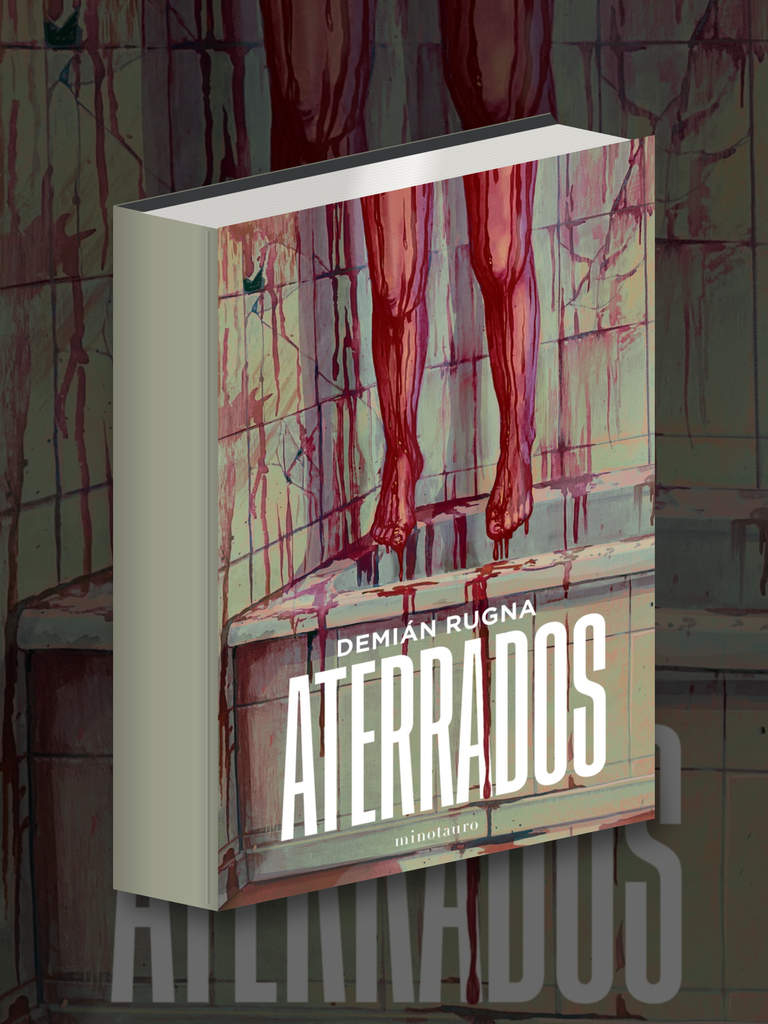
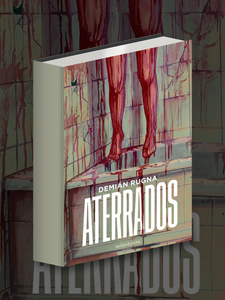
Aterrados, de Demian Regna
¿Se acuerdan de Cuando acecha la Maldad? Que excelente película. El terror rural, la escena del perro y el nene en la casa de la ex mujer, el embichado en el rancho del campo. Todo ese aura sobrenatural hiperpegajoso y tenso que permeaba cada segundo del metraje que tuvo tu culo clavado al sillón. Seguro que ahora leyendo eso sentís las cosquillas de la tensión y la ansiedad en los brazos y las piernas. Que gran película.
Aterrados es la otra película de Demián Rugna. La que el rarito que estudia Cine y TV te dice que prefiere porque “le va más lo urbano, viste? La que el resto del mundo que la vio dice “Ah, sí, esa”, pero no te puede decir un puto detalle al respecto porque, posta, el tercer acto se desinfla y quedaste con una cara de desentimiento importante, porque a esa altura ya estabas distraído y con la boca ardiendo de tanto pururú salado.
Bueno, hay un libro. Este (editado por Minotauro). Ni idea de que se trata (salvo algunas excepciones, son todas lecturas nuevas), y me acuerdo tan poco de la película que seguro me como todas y cada una de las curvas que me pongan en el camino. ¿Mantendrá su estética sucia pero chic de conurbano zona norte? Al ser posterior a sus dos películas, y expander el universo de su debut, capaz que haya acá ya una exploración más concreta de imágenes que se mantienen con uno una vez que la cinta se acabe. Que sea Rugna un escritor capaz de incomodarnos con sus palabras además de con su cámara.
Ojalá haya en sus páginas otro hachazo a la cara.
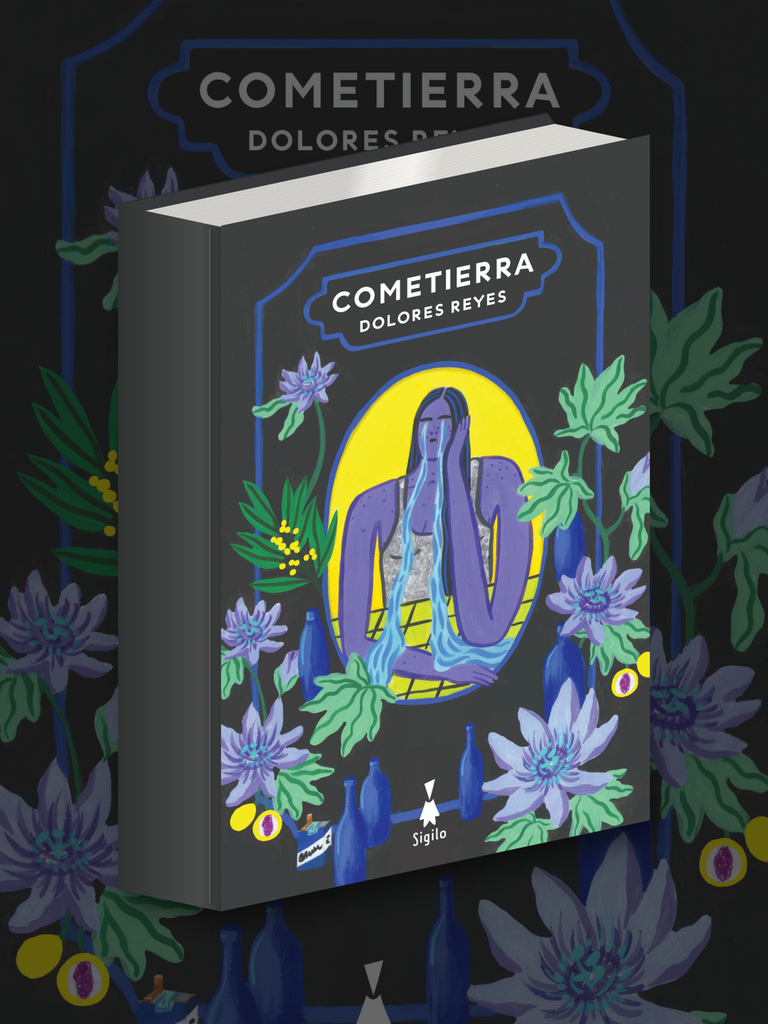
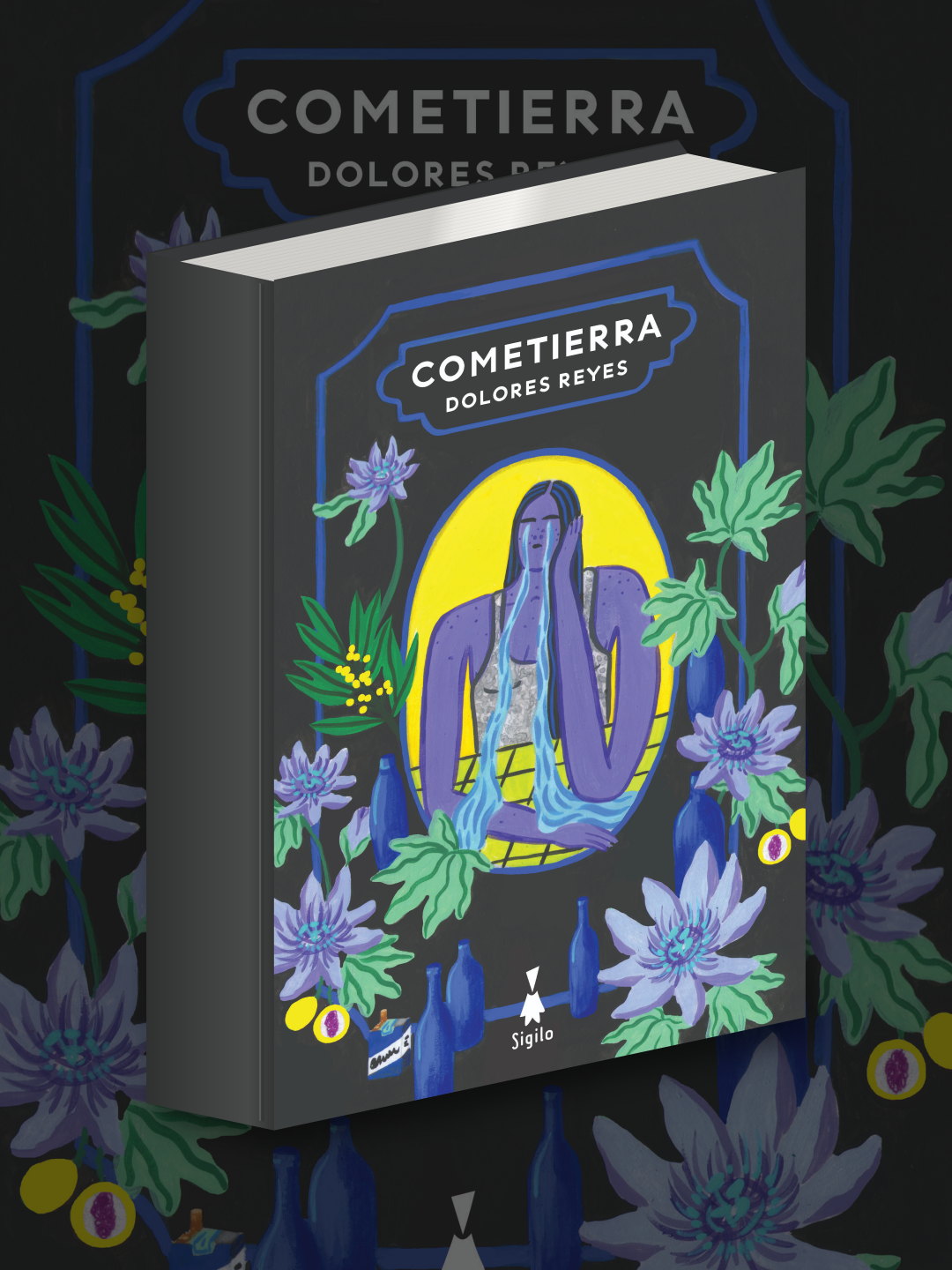
Cometierra, de Dolores Reyes
Me acosté en el suelo, sin abrir los ojos. Había aprendido que de esa oscuridad nacían formas.
¿Sabía ustedes de un fenómeno cultural llamado Streisand effect? Efecto Streisand, en criollo. Explicado a los ponchazos es un efecto que se da cuando nadie se está fijando en algo, pero por alguna razón otra persona (o institución, o figura, o lo que sea) trata de ocultarlo, trayéndolo paradójicamente al foco de la discusión pública. Lleva ese nombre porque en 2003 Barbra Streisand, la actriz y cantante, demandó a un fotografo por violación de la privacidad al publicar una foto de su casa costera. Antes de la demanda, la fotografía había sido descargada seis veces. Podía contar la cantidad de veces que fue descargada con los dedos de una sola mano en mis fotos editadas en Chat-GPT. Una boludez. Tengo más likes en una de mis primeras fotos en instagram que cantidad de views tenía esa imagen antes del juicio.
Operating keyword: antes del juicio.
Cuatrocientas veinte mil visualizaciones en el mes posterior a iniciar su demanda.
El efecto Streisand es ser un boludo y llamar la atención sobre algo que hubiese pasado absolutamente desapercibido de no creerte más importante de lo que sos.
¿A qué viene esto? Gracias por preguntar, atento lector. Ahora volve a la esquina a seguir comiendo la polenta fría, y no hagas ruido con los grilletes si no querés ligar otra cagada a palos.
Yo, particularmente, no sé nada de Cometierra, la novela debut de Dolores Reyes. Pero nada, ¿eh? Un par de cosas que me contó mi mujer cuando la leyó, y que me parecieron interesantes, aunque tenían ciertos puntos de contacto con The Dead Zone, de Stephen King. Eso de la relación entre pertenencia y destino, lo sobrenatural de las visiones, ese tipo de cosas.
Ahora, como yo, supongo que había una banda. Dolores Reyes no era una autora consagrada: no tenía el caché cultural que tienen Samanta Schweblin, Agustina Bazterrica o Mariana Enriquez. Es probable que Cometierra se hubiese consolidado por sus propios méritos, o capaz hubiese quedado en un hito menor, una novela para conocedores del género, como es La Sed, de Marina Yuszczuk. Nada malo en eso. Bien sabe Cthulhu lo que estoy dispuesto a hacer para que me lean. Por eso estás encadenado, lector. Nada de malo en eso.
Y no había nada sobresaliente en torno al discurso alrededor de Cometierra, tampoco, hasta que los “intelectuales” (uso muy abiertamente la definición en este caso) del gobierno nacional de cierto mugriento con pañal sucio trataron de censurarla, alegando pornografía infantil y alguna que otra boludez (no es que la pornografía infantil esté bien, para nada, sólo que es en este caso un argumento muy tirado de los pelos), cuando fue incluída en una colección de lecturas para los colegios secundarios de la provincia de Buenos Aires.
¿Resultado? Cometierra ahora viene con un sticker en la tapa que dice Ahora una flamante serie en Prime Video. 17 re-impresiones y contando. Traducciones al portugués, inglés, holandés y turco. Seis visualizaciones. Cuatrocientos veinte mil.
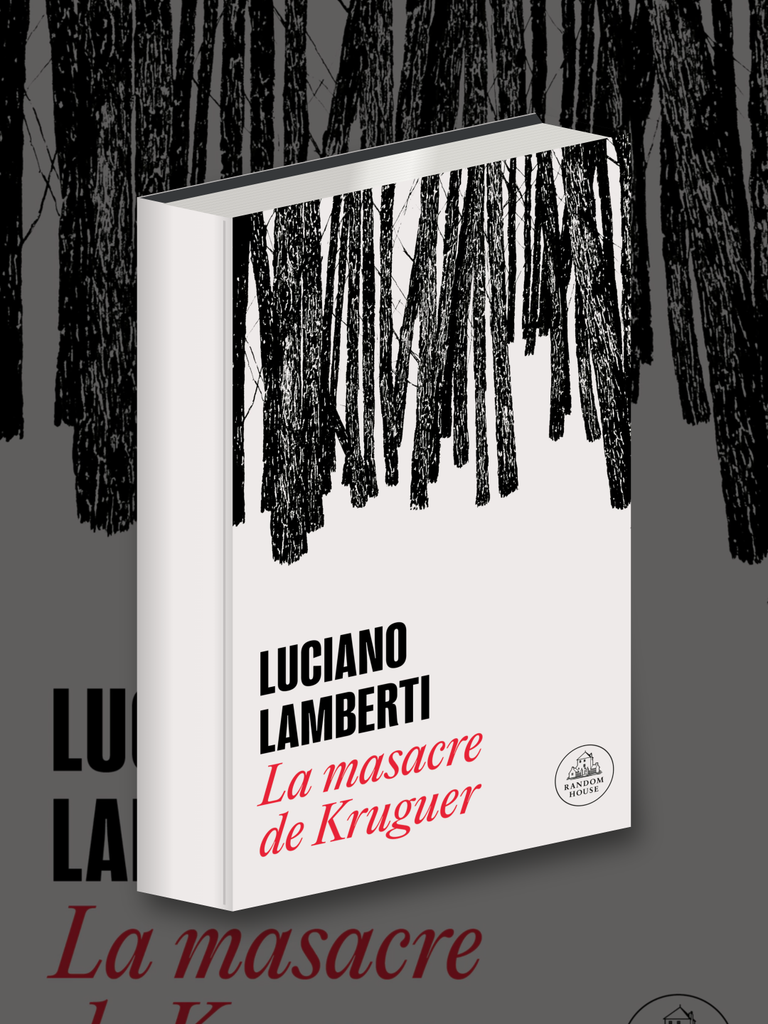
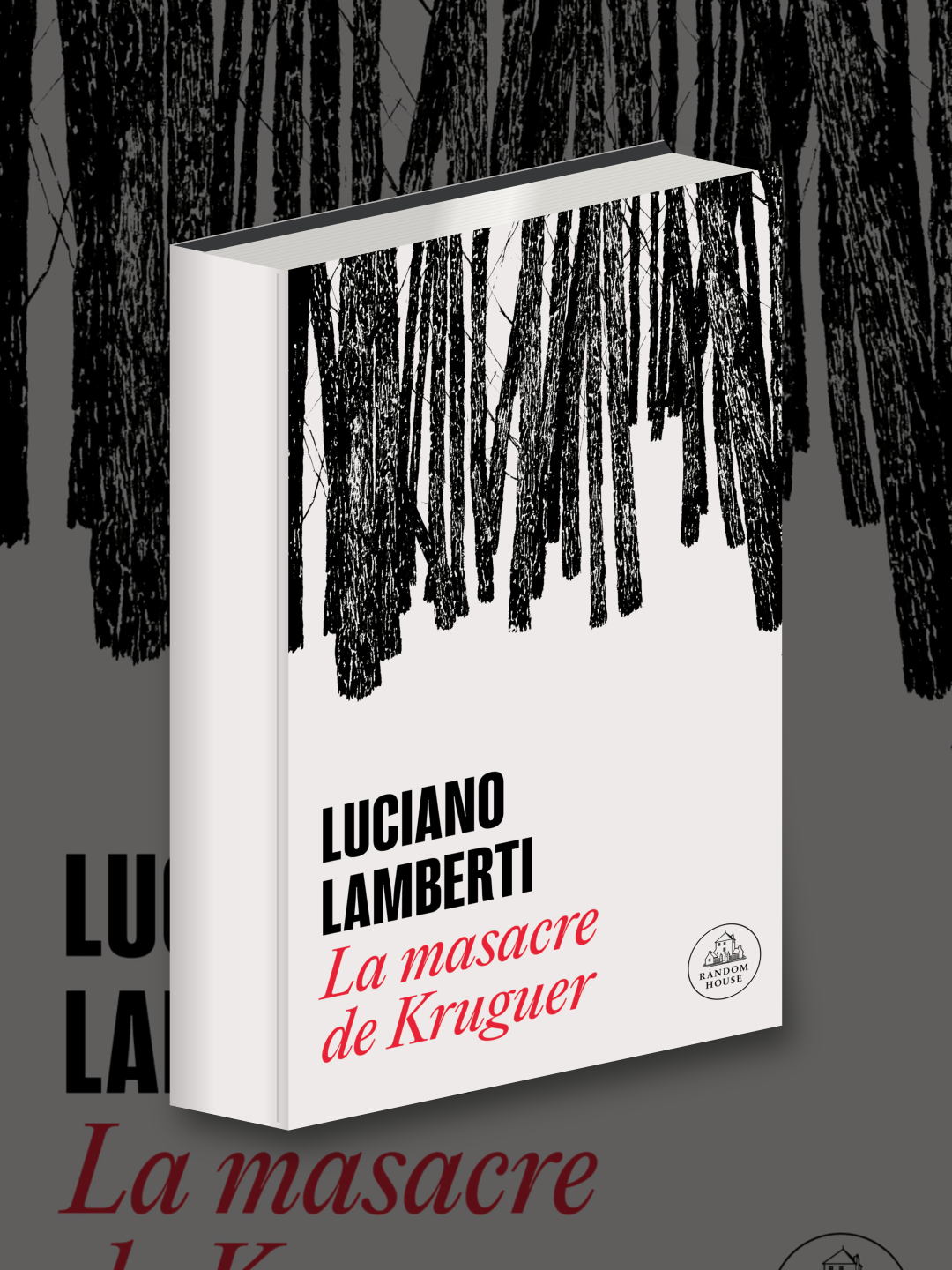
La masacre de Kruger, de Luciano Lamberti
No hace mucho leí mi primera novela de Luciano Lamberti, la consagratoria Para Hechizar un Cazador, premio Clarín de Novela del 2023. Lamberti, para los lectores cordobeses, es un escritor de la casa. Y si bien mucho de “Para Hechizar…” transcurre en los pueblitos del campo (y La Calera), donde no existe tanto el registro del sustrato comechingon en el habla, hay algo particularmente cordobés en la manera en que Lamberti escribe y maneja el registro cotidiano de sus personajes. No tanto en los protagonistas de “Para Hechizar…”, donde son de clase acomodada, del campo, o bien críados por cierta parte de la sociedad porteña, sino por todo el elenco alrededor.
Hay en esa novela un capítulo donde dos chicas que limpian hablan entre ellas sobre los poderes de la señora, y es la manera en la que Lamberti empieza a introducir lo extraño en el texto. Lo que en la superficie es una novela con un transfondo de la dictadura, la desaparición de bebés y la tragedia nacional que fue la dictadura, se convierte en algo más profundo y tenebroso en ese punto. El diálogo entre las dos, atravesados por el dolor del duelo de una de ellas, es una de las mejores escenas que leí en lo que va de este año.
Por otro lado, que Lamberti haya ganado un premio literario que es tan porteño coded como el Clarín (sólo se me ocurre el de Futurock como algo aún más porteño), es como ver a tu equipo anotarle a River o Boca. Se celebra y se saca a colación cada vez que se puede.
Pero no es todo fanatismo localista. Soy cordobés y todavía no me animo a enfrentarme a Filloy, por ejemplo. Soy cordobés y ni en pedo me agarrás escuchando al Titi Ciabattoni. Soy cordobés, y me gusta el vino y la joda, porque así etc. No, lector. Luciano Lamberti es un escritor de la concha de su madre, no hace falta que yo lo defienda acá.
Tengo ganas de leer esto porque parece encontrarse entre la cruza de Midsommar (aunque en invierno), y La Cumbrecita. Cualquiera que haya ido a La Cumbrecita en otra fechas que no sea un finde largo o el Oktoberfest sabe que no hay que rascar mucho la pintura para toparse con cosas siniestras.
Y tal vez ahí radica el encanto de lo terrible en la literatura de Lamberti: no hace falta lo sobrenatural para que ver que parte del terror está dentro de nosotros.
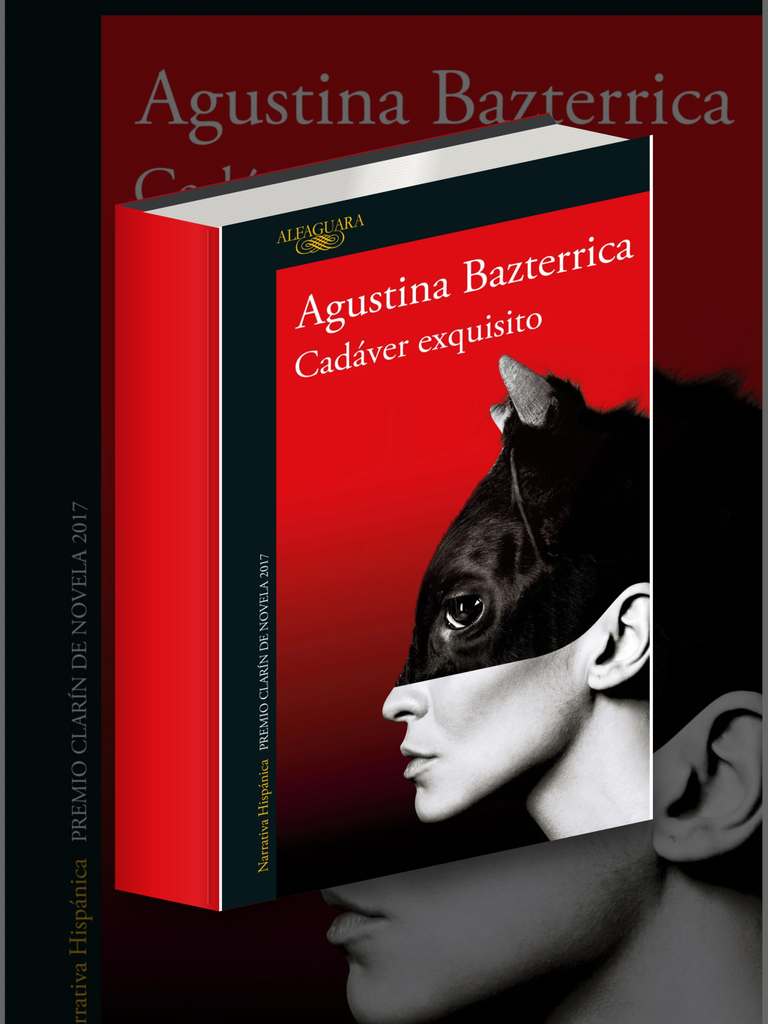
Cadáver Exquisito, de Agustina Bazterrica
Vamos con uno para los lectores de afuera. This one is for you, Lauren from Massachussetts.
Por alguna razón que desconozco (o me supera), los yanquis y lectores de habla inglesa tienen una fascinación con este libro. No creo que sea porque no entienda los temas de los que se trata el libro: cosificación, agencia, ecofeminismo, naturalización de lo grotesco; pero no recuerdo que me haya impactado tanto el final de este libro (el único punto que considero algo flojo, porque no hay forma que te sorprenda si estuviste prestando atención). Sin embargo, no hay lista de terror fuera del mainstream compilado por algún booktuber o booktoker o portmanteau de turno que no puede pronunciar la jota que no incluya una alabanza sobre este libro de Agustina Bazterrica.
Dato no menor: este libro en inglés se llama Tender is the Flesh. Tierna es la carne. A mi me daría una bronca tan inmensa que el título de la traducción sea mejor que el original, pero capaz ahí radica un poco la fascinación de los yanquis. Aunque me guste más el título en inglés, reconozco que la metáfora de Cadáver Exquisito se pierde en esa traducción: el libro plantea en cierto punto que estamos hechos por pequeños pedazos (fragmentos) inconexos, que vienen de otra parte (nuestros consumos, la sociedad, etc), y que somos al fin y al cabo un cadáver exquisito (como el objeto literario) construido con todas esas cosas.
Es una gran novela. No conozco a nadie que no le haya gustado, incluyéndome. Pero la última vez que la leí fue hace una tracalada de años, así que ahora es un buen momento como cualquier otro para revisitarla.
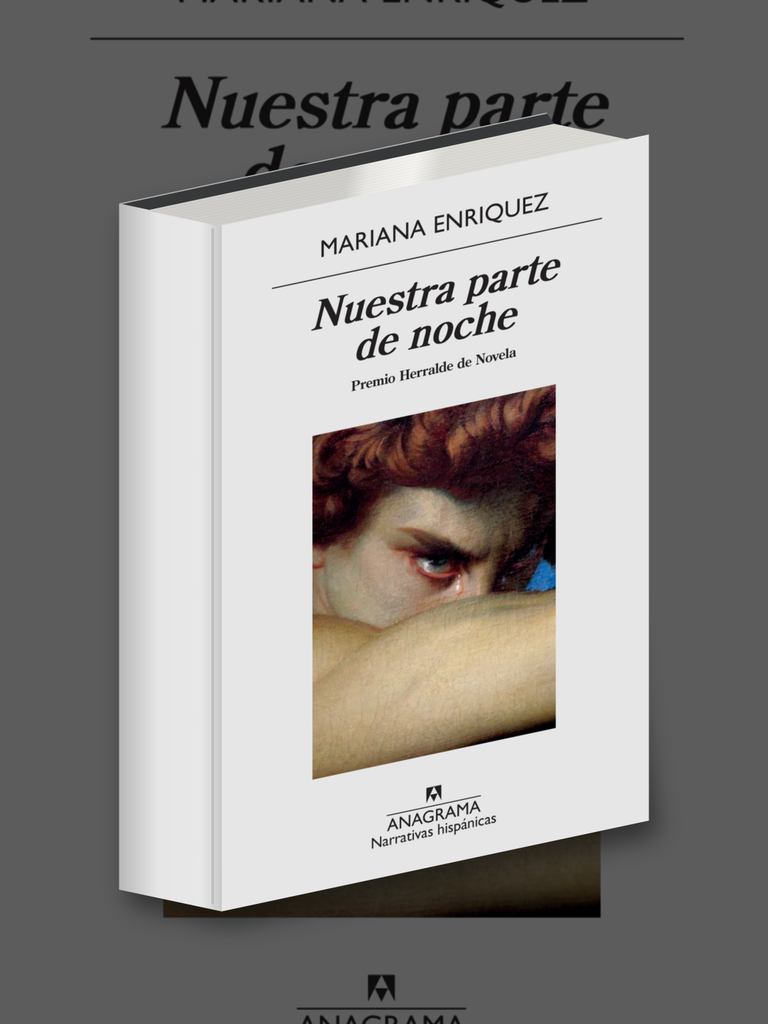
Nuestra parte de noche, de Mariana Enriquez
A Mariana Enriquez le vamos a perdonar autochorearse un cuento para elaborarlo de manera más amplia y terrorifica acá. El concepto de arquitectura extraña (casas que cambian de forma, como si estuvieran vivas) es un concepto gótico que se convierte en una piedra angular de Nuestra parte de noche, donde además se cruzan otros tópicos como sectas, dictadura, elites, gente con guita, el calor del NEA, todo lo demás.
Así como Cadáver Exquisito tiene mejor título en inglés que en español, las ediciones de tapa dura en inglés son una cosa que te dan ganas de rendir el CAE o el IELTS con un C2 sólo para poder tirar performative reading en Caballito (Little Horse) con un tote bag (bolsa de compras) colgada de tu brazo mientras esperas el subway (sanguche de 30 centimetros de largo), teniendo en las manos una edición tapadura con una sobrecubierta que es la síntesis perfecta entre diseño ochentoso y del nuevo milenio.
Acá va el gif de Homelander diciendo It was perfect. Perfect. Down to the last minute details. Perfecto, redondo, un gol de Messi de tiro libre.
Pero bueno, acá tenemos que conformarnos con la edición desganada de Alfaguara, que justifica el diseño más insipido en pos de mantener una línea estética. Vergüenza.
Nuestra parte de noche es, salvando muy pocas partes, una de las novelas más atrapantes de los últimos años. No hay mucho que yo pueda agregar acá, salvo que para mí hay una parte que tranquilamente se podría haber sacado y que no afectaría en nada la trama, pero tampoco es que sea detrimente de la narración en general. Está ahí, y punto. Ayuda al worldbuilding de una manera más lateral que central, así que podríamos decir que suma.
Es un gran libro consagratorio, que un poco se hace un lugar en el canón de la literatura nacional. Y si no te gusta, metete vos en esa casa abandonada. De noche. A ver como te va.
I have this by no means minor problem of being incapable of focusing. For instance, instead of lying back reading Momo (by Michael Ende)—September’s pick for the book club I run—here I am, wondering how many horror books I can cram into the next 26 days to honor Spooky October.
Any excuse is a good excuse to read. Horror in October? Count me in. Sapphic September? You had my attention the second two lesbians decided to love each other in the most chaotic and emotionally irresponsible way possible. I love reading despite being an unresolved dopamine hit addict destroying my medium- and long-term attention span—which directly sabotages the very act of reading. But here we are.
For this Spooky October, I’ve decided to read five books by Argentine authors and five international ones. Obviously, I’m biting off more than I can chew (🫦), but hey, you’ve gotta die of something. We’ve never had money, and we’ve never had fear.
Terrified (Aterrados), by Demián Rugna
Remember When Evil Lurks (Cuando acecha la maldad)? What an incredible movie. The rural horror, the scene with the dog and the kid at the ex-wife’s house, the “rotten” guy in the countryside shack. That entire hyper-sticky, tense supernatural aura permeating every single second of footage that kept your ass nailed to the couch. I bet just reading that makes you feel the prickle of tension and anxiety in your arms and legs. What a great movie.
Terrified (Aterrados) is Demián Rugna’s other film. The one the weird Film & TV major tells you they prefer because “they’re just more into urban horror, you know?” The one everyone else who saw it goes, “Oh yeah, that one”, but can’t tell you a single damn detail about it because, honestly, the third act deflates and you’re left looking thoroughly underwhelmed, mostly because by that point you were already distracted and your mouth was burning from eating too much salty popcorn.
Well, there’s a book. This one (published by Minotauro). I have no idea what it’s about (with a few exceptions, these are all new reads), and I remember so little about the movie that I’m bound to fall for every single curveball it throws my way.
Will it retain that grimy but chic North Greater Buenos Aires aesthetic? Since it came after his first two movies and expands on the universe of his debut, maybe there’s a more concrete exploration here of the kind of imagery that sticks with you long after the credits roll. Maybe Rugna can make us just as uncomfortable with his words as he can with his camera.
Hopefully there’s another axe to the face waiting somewhere in these pages.
Eartheater (Cometierra), by Dolores Reyes
I laid down on the floor without opening my eyes. I had learned that shapes were born from that darkness.
Did you know about a cultural phenomenon called the Streisand effect? Explained half-assed, it’s an effect that occurs when nobody is paying attention to something, but for some reason another person (or institution, or figure, or whatever) tries to hide it, paradoxically bringing it right into the spotlight of public discussion. It got its name because back in 2003 Barbra Streisand, the actress and singer, sued a photographer for invasion of privacy over a photo of her coastal home. Before the lawsuit, the photograph had been downloaded six times. I could count the number of downloads on one hand in my ChatGPT-edited photos. Total non-issue. I have more likes on one of my first Instagram photos than that image had views before the trial.
Operating keyword: before the trial.
Four hundred and twenty thousand views in the month after she filed her lawsuit.
The Streisand effect is being a dumbass and drawing attention to something that would have gone completely unnoticed if you hadn’t thought you were more important than you actually are.
What’s the point of all this? Thanks for asking, attentive reader. Now head back to the corner to keep eating your cold polenta, and don’t rattle your shackles unless you want another beatdown.
Personally, I know next to nothing about Cometierra (Eartheater), Dolores Reyes’s debut novel. Absolutely nothing, okay? Just a couple of things my wife mentioned when she read it that sounded interesting, though they shared a few touchpoints with Stephen King’s The Dead Zone. That stuff about the relationship between belonging and fate, the supernatural nature of the visions, that kind of thing.
Now, I’m guessing there were a fuckton of people like me. Dolores Reyes wasn’t an established author: she didn’t have the cultural cachet of Samanta Schweblin, Agustina Bazterrica, or Mariana Enriquez. Cometierra probably would’ve established itself on its own merits, or maybe it would’ve remained a minor landmark, a novel for genre connoisseurs, like Marina Yuszczuk’s La Sed. Nothing wrong with that. Cthulhu knows the shit I’d be willing to do just to get people to read me. That’s why you’re chained up, reader. Nothing wrong with that.
And there wasn’t anything remarkable surrounding the discourse around Cometierra, either, until the “intellectuals” (I’m using quote marks very loosely here) in the national government of a certain filthy guy with a dirty diaper tried to censor it, claiming child pornography and a few other non-issues (not that child pornography is okay at all, it’s just a wildly far-fetched argument here), when it was included in a reading collection for high schools in the province of Buenos Aires.
The result? Cometierra now comes with a sticker on the cover that reads Now a brand-new series on Prime Video. 17 printings and counting. Translations into Portuguese, English, Dutch, and Turkish. Six views. Four hundred and twenty thousand.
The Kruger Massacre (La masacre de Kruger), by Luciano Lamberti
Not long ago, I read my first novel by Luciano Lamberti: his breakthrough work To Bewitch a Hunter (Para hechizar a un cazador), which won the 2023 Clarín Novel Award. For us readers from Córdoba, Lamberti is one of our own. And even though much of To Bewitch a Hunter takes place in small country towns (and La Calera), where the Comechingón roots aren’t as prevalent in the local vernacular, there is something distinctly Cordobés about the way Lamberti writes and captures the everyday speech of his characters. Not so much with the main characters in To Bewitch a Hunter, who are well-off, rural, or raised by a certain segment of Buenos Aires high society, but certainly through the entire supporting cast.
There’s a chapter in that novel where two housekeepers chat with each other about the mistress’s powers, and that’s how Lamberti begins introducing the uncanny into the text. What appears on the surface to be a novel set against the backdrop of the dictatorship, stolen babies, and the national tragedy that was the military regime transforms into something deeper and far more sinister at that exact moment. The dialogue between the two women, heavy with one of them grieving a loss, is one of the best scenes I’ve read so far this year.
On another note, watching Lamberti win a literary prize as undeniably porteño-coded as the Clarín (the only thing more porteño I can think of is Futurock) feels like watching your local team score against River or Boca. You celebrate it and bring it up every chance you get.
But it’s not all local bias. I’m Cordobés and I still haven’t built up the courage to tackle Filloy, for instance. I’m Cordobés and there’s no fucking way you’ll catch me listening to Titi Ciabattoni. I’m Cordobés, and I like wine and partying, because that’s just how we are, etc. No, reader. Luciano Lamberti is a badass writer: he doesn’t need me standing up for him here.
I’m eager to read this one because it sounds like a cross between Midsommar (except set in winter) and La Cumbrecita. Anyone who’s visited La Cumbrecita outside of a long weekend or Oktoberfest knows you don’t have to scratch very far beneath the surface to run into creepy stuff.
And perhaps that’s where the magic of the horrific lies in Lamberti’s writing: you don’t even need the supernatural to realize that part of the terror lives right inside us.
Tender is the Flesh (Cadáver Exquisito), by Agustina Bazterrica
Here is a one for our readers abroad. This one is for you, Lauren from Massachusetts.
For some reason unknown to me (or far beyond my comprehension), Yanks and English-speaking readers are utterly obsessed with this book. It’s not that I don’t get the themes it tackles: objectification, agency, ecofeminism, the normalization of the grotesque; but I don’t recall the ending hitting me that hard (honestly the only part I felt was a bit weak, since there’s no way it surprises you if you’ve been paying attention). That said, you won’t find a single horror list outside the mainstream, coompiled by whatever current booktuber, booktoker, or trendy portmanteau creator who can’t pronounce a Spanish J, that doesn’t heap praise on this book by Agustina Bazterrica.
Not a minor detail: in English, this book is titled Tender Is the Flesh. Tierna es la carne. If I were the author, I’d be absolutely furious that the translation’s title is better than the original, but maybe that’s part of where the Yanks’ fascination comes from. As much as I prefer the English title, though, I have to admit the metaphor of Cadáver Exquisito (Exquisite Corpse) gets lost in translation: at one point, the book suggests we are made of small, disconnected pieces (fragments) originating from elsewhere (our consumption habits, society, etc.), and that in the end, we’re just an exquisite corpse, much like the surrealist literary game, constructed from all those bits and pieces.
It’s a great novel. I don’t know a single person who didn’t like it, myself included. But the last time I read it was ages ago, so now is as good a time as any to revisit it.
Our Share of Night (Nuestra parte de noche), by Mariana Enriquez
We’ll forgive Mariana Enríquez for ripping off one of her own short stories to expand it into something broader and even more terrifying here. The concept of strange architecture (houses that shift shapes as if they were alive) is a Gothic trope that becomes a cornerstone of Our Share of Night (Nuestra parte de noche), which also weaves together other themes like cults, the dictatorship, elites, rich people, the suffocating heat of Northeastern Argentina, and everything in between.
Just as Tender Is the Flesh has a better title in English than in Spanish, the English hardcover editions are the kind of thing that makes you want to sit for the CAE or IELTS just to score a C2, purely so you can engage in some performative reading in Caballito (Little Horse) with a tote bag (shopping bag) slung over your arm while waiting for the subway (footlong sandwich), holding a hardcover copy with a dust jacket that is the ultimate synthesis of eighties and new-millennium design.
Insert the Homelander GIF here: It was perfect. Perfect. Down to the last minute details. Perfection. Clean. A Messi free-kick goal.
Alas, over here we have to settle for Alfaguara’s half-hearted edition, which hides behind the excuse of maintaining a cohesive visual line to justify the blanded-out design. A disgrace.
Our Share of Night is, barring a very few sections, one of the most gripping novels of recent years. There’s not much I can add here, except that in my view there’s one part that could easily have been cut without affecting the plot whatsoever, though it’s hardly a detriment to the narrative as a whole. It’s there, and that’s that. It serves worldbuilding in a more peripheral than central way, so you could say it adds value.
It’s a magnificent, defining book that carves out a well-deserved spot in the national literary canon. And if you don’t like it, go step into that abandoned house yourself. At night. Let’s see how that goes for you.
1 comentario